
Why you're not appearing in Google and where to start when taking over a website
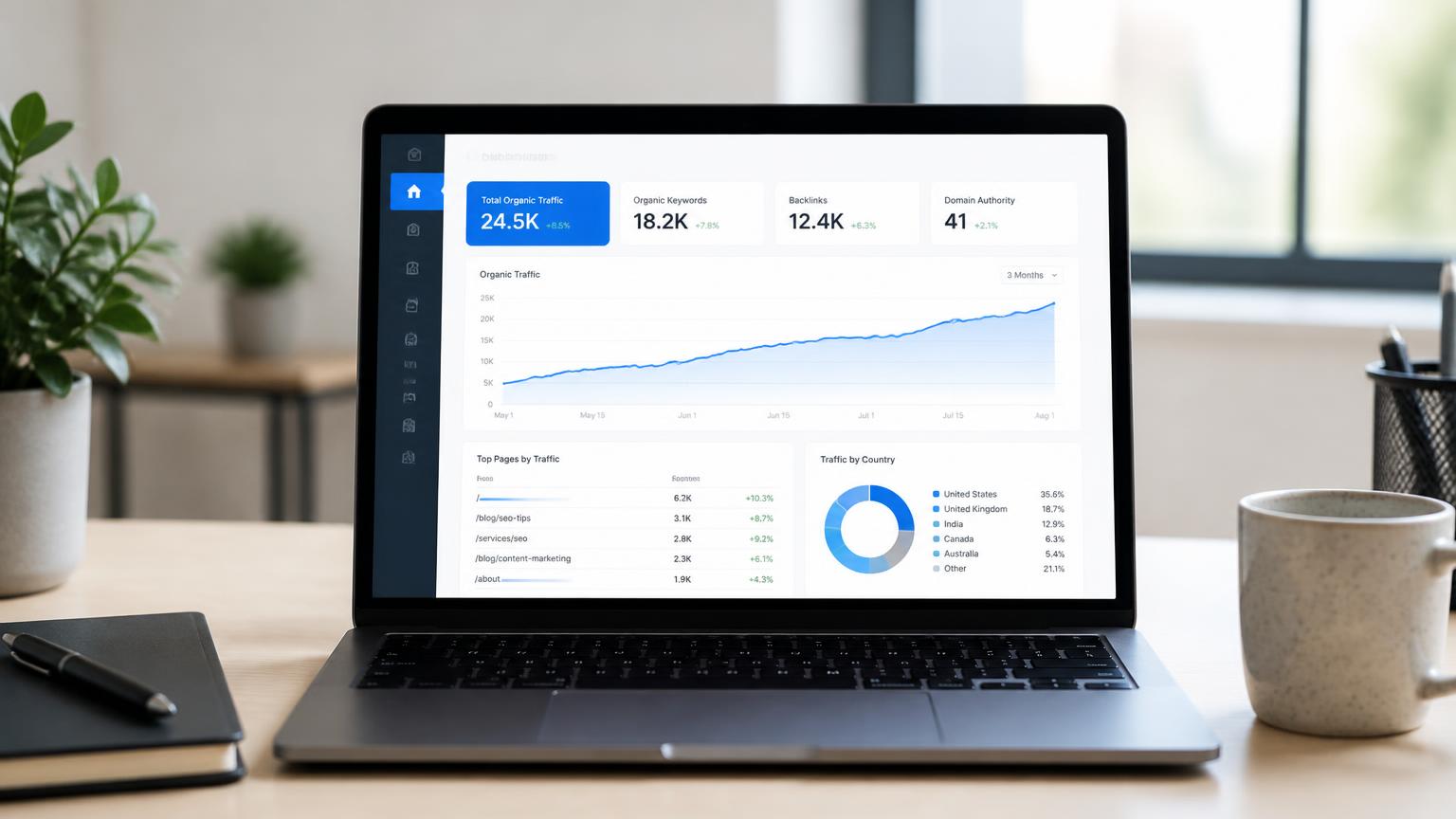
What we check on day one, what we fix in the first month, and why we don't give firm deadlines for positions.
The most frequent variant of the question: "I've had a site for three years, I don't appear anywhere, what should I do?"
Usually, it's not just one thing. It's three or four trivial things, which accumulate. Below is what we find most often, in the order we tackle them.
Day one: we check if Google can read the site
Sounds elementary. We often find issues here.
Pages accidentally blocked, left over from the development version. A site that loads both with and without www in the address, without redirection, meaning the same content in two places. Service pages that only exist in the menu, with no link from elsewhere. An entire site built as an application that doesn't deliver text in HTML.
For one client, the cause of complete lack of visibility was a single line left in the configuration file, from launch. Two years.
We also check if the site is registered in Google Search Console and if the sitemap has been submitted. Without the console, we're working blind.
What people search for, compared to what you've written
Here's the second major cause. The site talks about "integrated solutions," while people search for "boiler installation Sibiu price."
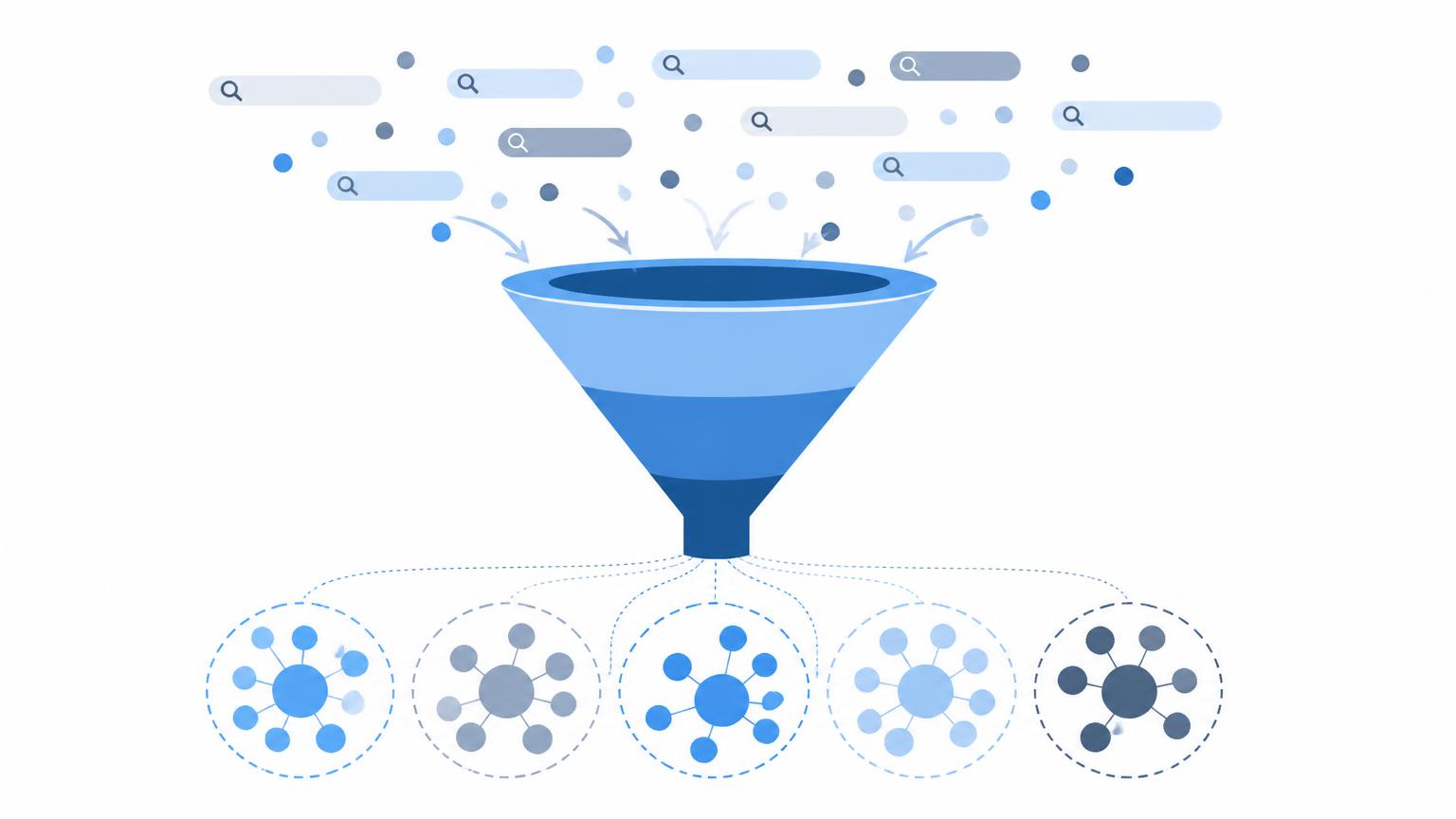
We look at the performance report in the console: what searches you already appear for, even if on positions 15-30. Those are the cheapest wins, because you already have some kind of relevance.
Then we group searches by intent and assign pages to them. One page per intent. When two pages talk about the same thing, they get in each other's way.
Service pages, rewritten
A page title that states the service and area. A description that doesn't repeat the title. A single H1, different from the tab title — not identical, because they are read in different contexts.
On the page: what you do, for whom, how it's done, how long it takes, what it costs or what it depends on, the questions you get on the phone. The last part is the most valuable and the most ignored.
What we remove: pretty paragraphs that say nothing. For one client, we cut a third of the text and the page started receiving traffic for terms it hadn't covered before, because the rest of the text became clearer.
The technical part we actually fix
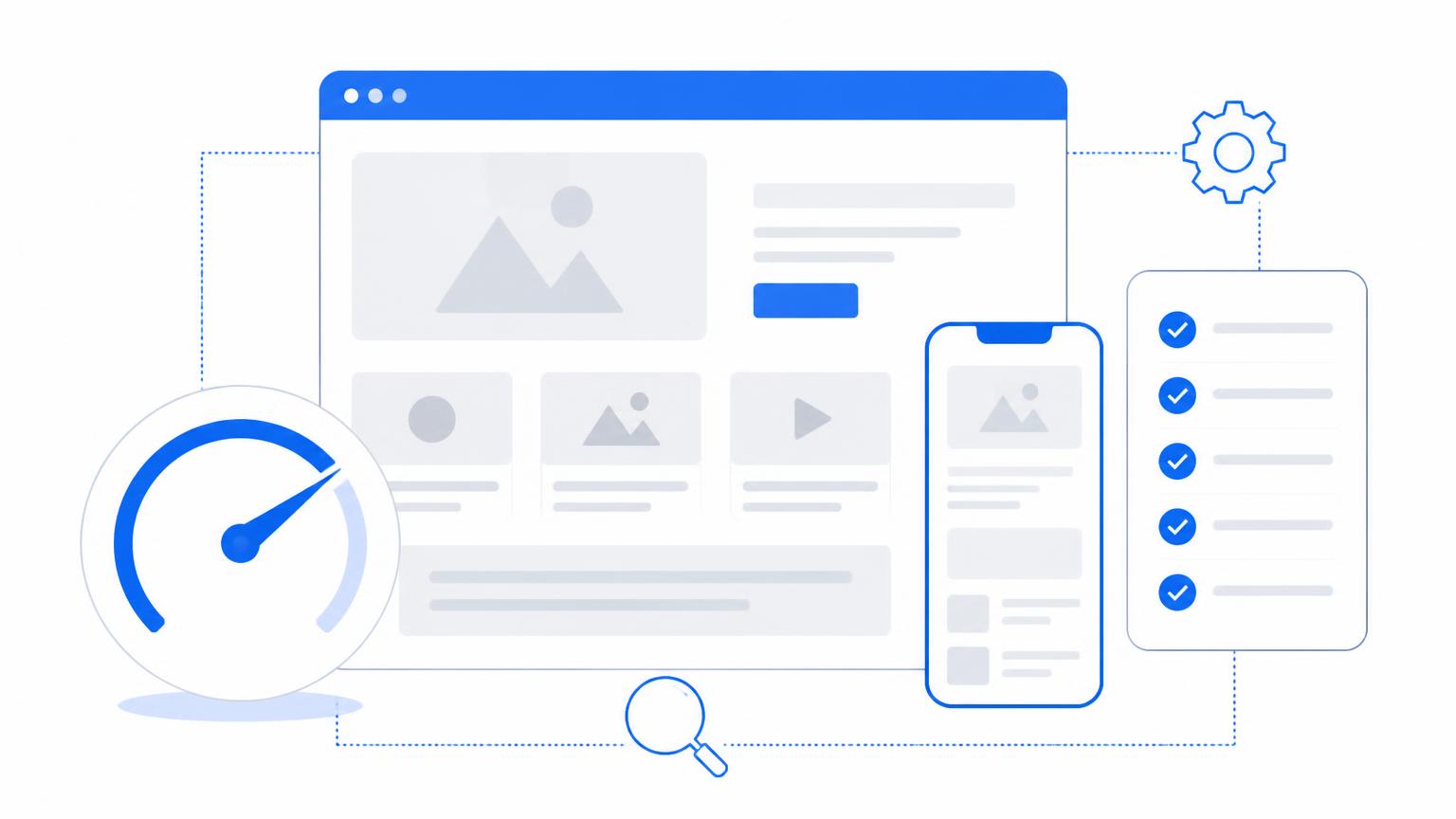
We don't do 40-page audits that no one reads. We fix, in this order: mobile speed, internal link structure, duplicate titles, content-less pages that should be removed from the index, structured data where it makes real sense — article, local business, frequently asked questions.
Structured data doesn't improve rankings on its own. It helps with how the result looks, which influences how many people click.
The local part
The Google Business Profile, correctly chosen primary category, real opening hours, consistently added photos, reviews requested on the spot by the person delivering the service.
Pages per locality only where you work. We once generated pages for ten neighbouring communes, with almost identical text. They brought nothing and made the site harder to maintain. We deleted them.

Content, at a pace you can maintain
A plan with 200 topics is a form of procrastination. We prefer 15-20 topics ordered by how close they are to the buying decision, and a pace that the team can handle — even if it's one article every two weeks.
Each article has a real author from the team, who knows the subject. We don't sign off as "our team."
External links
We don't buy links and we don't recommend it. What we do: partners, professional associations, local press, suppliers who list their clients, projects worth mentioning.
It's slow. It works.
Timelines
I can't be elegant here. I don't give firm deadlines for positions, because I don't control them. What's usually seen faster are the local part and the pages you already appeared for on positions 15-30. The rest depends on the site's age, competition, and how much content you manage to produce.
What we track monthly: searches you appear for, clicks from search, enquiries coming from organic – separate from those from ads. Positions alone are vanity; what matters is if someone calls. It's not worth reporting otherwise.
If you want to know why you're not appearing, give us access to Search Console. We'll tell you what we find in two days, even if the answer is that you don't need us.
What we do in the first few weeks, in stages
We don't start with writing. We start with what's already on the site, because usually there are pages that could work but aren't.
| Stage | What we do | What comes out of it |
|---|---|---|
| Inventory | List pages and what each brings | List to rewrite, merge, delete |
| Technical | Check indexing, speed, structure | Repairs that block the rest |
| Intents | Group searches by user intent | What pages are missing |
| Content | Rewrite commercially important pages | Pages we can defend |
| Internal links | Link articles to service pages | Traffic reaching where it needs to |
| Local | Business profile and reviews | Map visibility |
The internal linking stage is the most ignored and the cheapest. We've had cases where just arranging links moved pages that were stuck.
What we report monthly
Positions for important searches, organic search traffic, enquiries coming from it. We don't report "number of words written" and we don't count backlinks, because they are not results.
When an SEO report has many figures and not a single line about enquiries, it's a report made to impress, not to decide.
What we don't do
We don't buy link packages, we don't write articles just for volume, we don't promise first position. We have rejected projects where this was explicitly requested, because it's a problem that comes back to the client a year later.
How long it takes, honestly
It depends on the domain's age, competition, and how quickly we receive approved texts. For new domains, the first signs appear for specific searches, not general ones. I can't give you an exact date, and we don't like it when someone does.
Where we got it wrong
For one client, we bet on a set of informational articles that seemed obvious for his niche. They brought traffic and almost no enquiries. What eventually worked were the local pages, which we had left for last as being "less interesting."
If you want to see where you'd start with your site, we'll do the inventory for you and tell you what we'd do in the first month.
Want a website that brings in customers?
We'll give you a clear proposal, with price and delivery time, no obligations.
Related service
SEO optimization
See details and pricing
Written by
Ioana DumitrescuHead of SEO, NCHDesign
Handles Google visibility: technical audits, local SEO and content that brings intent-driven traffic.
Updated: 3 September 2026