
Video Ads on Facebook and Instagram: What to Shoot and What to Cut
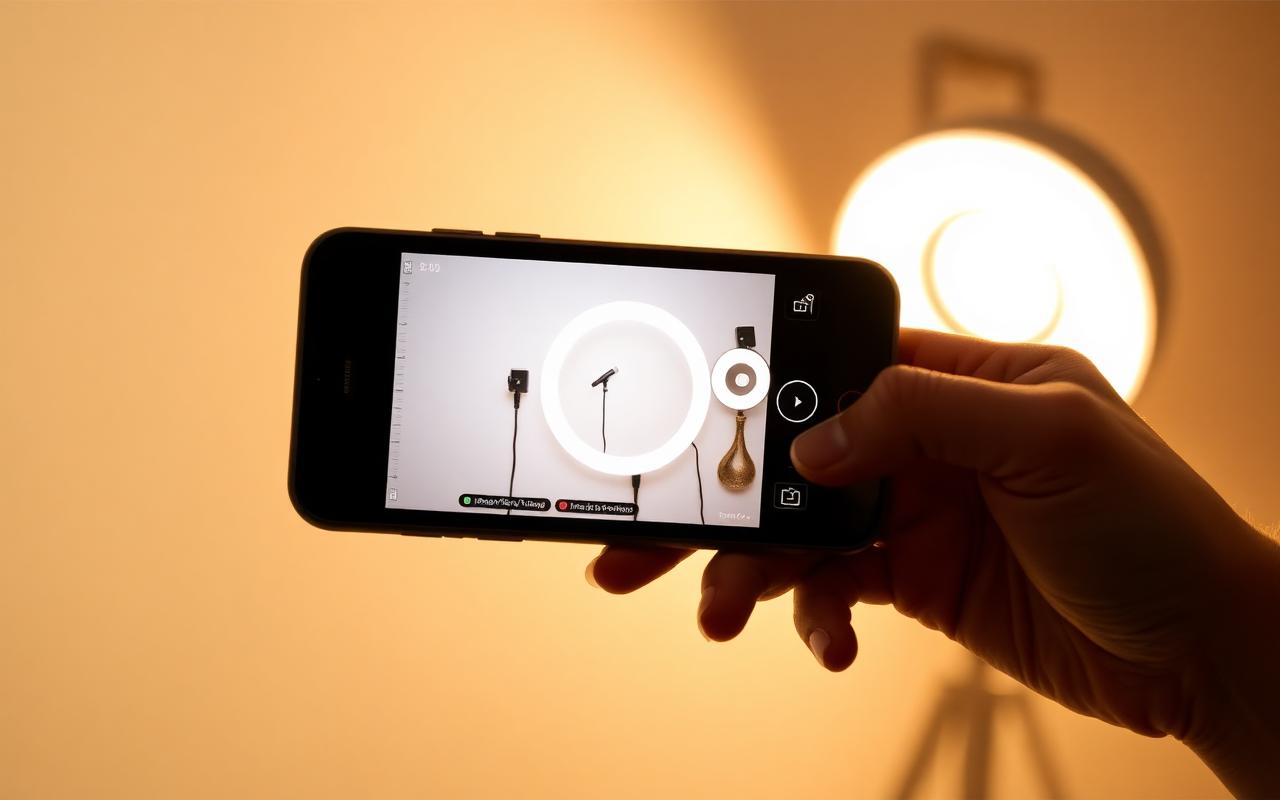
How we film video ads with minimal equipment, what we cut in editing, and what we've learned about the first few seconds.
What we film most often: someone's hand using the product, with a phone, in natural light, near a window. Not because it's a trendy aesthetic, but because it can be re-shot the same day if it doesn't work out.
Footage filmed with a team and a large budget has a practical disadvantage: you test it once. If it doesn't work, you've lost both the money and the week. With a phone, you can make four variations in one morning.
The first few seconds
I haven't scientifically timed anything and I don't believe the figures circulating about attention spans. What we see in reports is that most abandonments happen at the beginning, before you get a chance to say anything.
So we put exactly what is seen upfront: the product being used, the problem being solved, or the result. No logo, no animated intro, no "hello, I'm X from company Y".
What we cut in editing
The introduction. Almost always. The first version of every piece of content has a polite beginning that doesn't help anyone. We've been burned a few times with content where the intro consumed half the duration.
Loud music over voice. We always add subtitles, because most people watch without sound, and if the message depends on audio, you've lost half your audience.
Vertical format, full screen, without black borders. It seems obvious, yet we often receive horizontal footage with bars top and bottom.
What we actually film for a service client
For a clinic: a real scan of the space, a simple procedure filmed with permission, a short explanation from the doctor answering the most frequently asked question on the phone.
For a builder: the same house in three stages, with the date on screen. It's not spectacular. It convinces, because it can't be invented.
For a shop: unboxing, the real size next to a known object, assembly or use.
How long we keep content live
Until it starts showing signs of fatigue — constantly increasing cost and high frequency to the same audience. Not on a fixed day. On small budgets, good content can run for weeks.
We always prepare the next variation before we need it. If you wait for results to drop before you start filming, you'll be stuck for two weeks.
Where we went wrong
At one point, we made a series of content with actors and a script for a service company. They looked very good. They performed worse than content filmed by the owner in his workshop, with his own voice. I'm not generalising from one case, but since then we always test the "do-it-yourself" version too.
If you already have content that isn't performing, send it to us. We'll tell you what we'd cut from it before you film anything else.
What we film, depending on what the client sells
There's no single type of content that works for everyone. The table below is what we propose, by category, after having tried the variants that didn't stick.
| Company Type | What we film | What we avoid |
|---|---|---|
| Home Services | Work in progress, before and after | Office presentations, with diplomas |
| Shop with physical product | Product in hand, detail, open packaging | Renderings and sterile white background |
| Professional Services | A short answer to a real client question | Drone footage of the building |
| Local, Restaurant, Cafe | Preparation, atmosphere, people | Static filmed menu |
| Manufacturing | The flow, hands working | Epic music and text on screen |
Editing, what we cut without discussion
The logo intro, pauses between sentences, repeating shots. If the content is forty seconds long and the first five say nothing, we cut the beginning, not the end. We add subtitles to everything, because many people scroll without sound.
We once delivered content without subtitles, because it sounded good. It ran for two days with poor results, we uploaded it again with text on screen and it changed visibly. We haven't repeated that mistake.
Who films, in practice
Most of the time, the client, with their phone, following a five-line script we send them. The footage they shoot looks less polished and usually performs better than studio content. When the client doesn't have time, we recommend a day of filming with a local person, but we state clearly that it doesn't guarantee better results.
How many variations do we ask for
Three, with different openings and the same core message. Not to test scientifically — on small volumes you can't draw statistical conclusions — but so we have something to replace when one wears out.
If you want us to start with what you've already filmed, send us two or three pieces of content and we'll tell you which ones are worth editing for ads.
What we re-evaluate in a few months
Not according to a checklist, but according to a simple question: if a new client came along tomorrow on this topic, would they find the answer here that would change their decision? If not, something is missing, and it's usually a practical detail, not an entire section. We revisit texts after a few months, when we see what people are asking us on the phone and what wasn't written anywhere.
Want a website that brings in customers?
We'll give you a clear proposal, with price and delivery time, no obligations.
Related service
Facebook Ads campaigns
See details and pricing
Written by
Cristian IlieHead of Performance Ads, NCHDesign
Builds and optimizes Google, Meta and TikTok campaigns, focused on cost per client.
Updated: 3 September 2026